
You may see
clearly and still find,
reading, learning, movement
or everyday visual activities difficult.
Understanding Vision Beyond the Eyes
Dr. Roxana Cziker
My academic background includes doctoral degrees in Medical Sciences and Psychology, with research focused on visual stimulation and the relationship between brain injury and functional vision.
Building on this research and my professional experience, I created Vision2Brain with a clear purpose:
- to understand how each person uses vision in everyday life,
- how visual difficulties affect their activities and participation, and
- how this understanding can be translated into meaningful, individualized support.
Through functional vision assessment and visual skills training, my aim is to help children and adults use their vision as effectively as possible in the activities that matter to them.
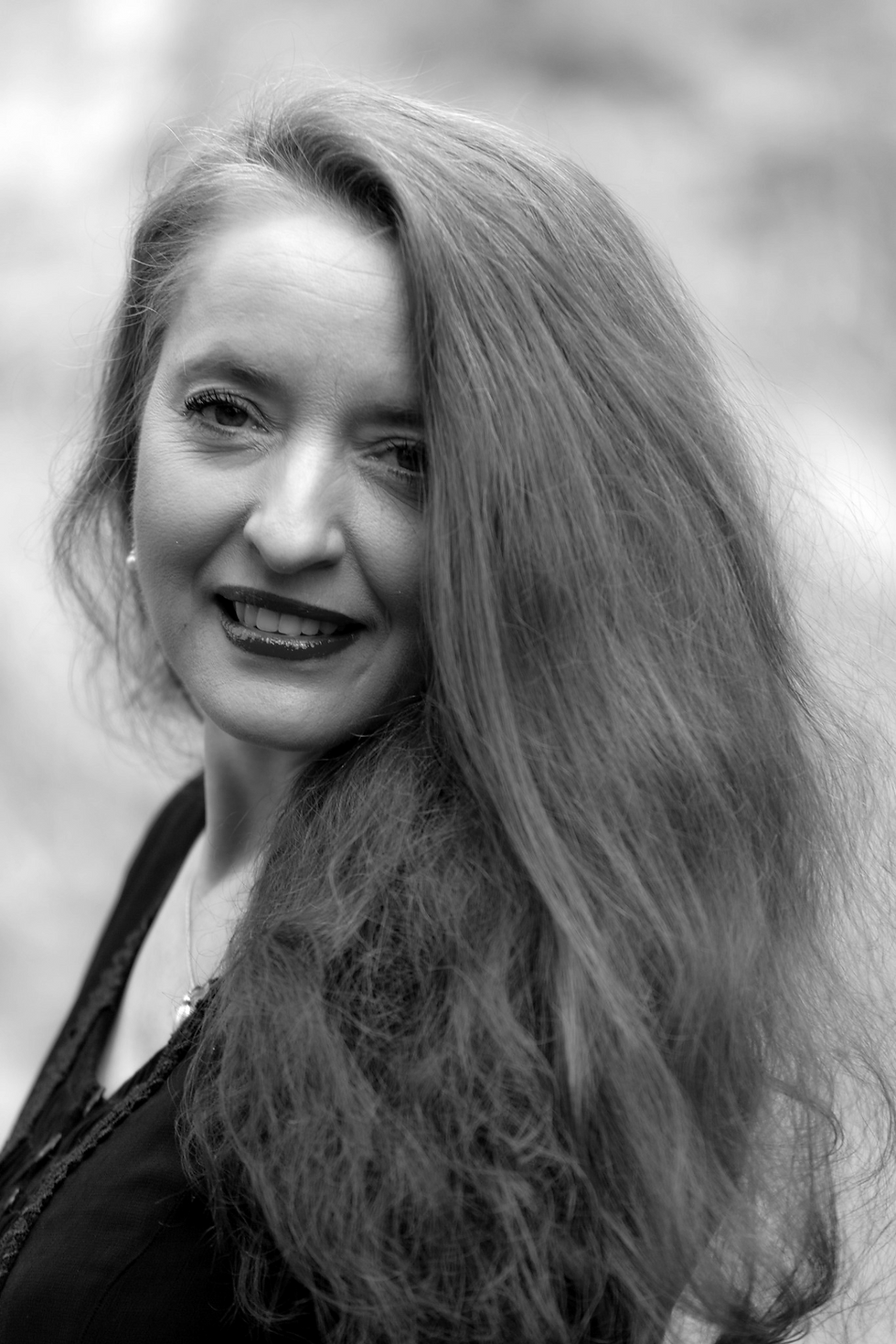
Dr. Roxana Elena Cziker
PhD in Medical Sciences · PhD in Psychology
Functional vision and visual skills training
Why Work with Dr. Roxana Cziker?
2 doctorates
25+ years
Research and teaching
PhD in Medical SciencePhD in Psychology
Functional vision - CVI - visual disability - neurovisual dififculties
published research, university lecturing and training of professionals across Europe
Trained with leading experts
Dr Lea Hyvärinen and Dr Gordon Dutton, plus up-to-date training in Vision Therapy (Emergent, USA) and applied neuroscience (The Neuroscience Academy, Australia)
When Vision Becomes Challenging
Vision is more than seeing clearly.
Vision is a complex process that helps us find and recognize visual information, understand surroundings, and guide how we interact with them.
When some of these processes become difficult, the effects may become noticeable in everyday life - sometimes in ways we may not immediatly recognise as being related to vision.
Reading takes much more effort than it used to.
I struggle to find things, especially when there is a lot to look at.
Busy places feel visually overwhelming.
Computer work is visually tiring.
Visual activities become harder when I am tired.
Finding my way or judging where things are in space can be difficult.
I need more time to understand what I am lookng at
Things sometimes look less clear or go in and out of focus.
Sometimes I see two images instead of one.
These experiences can have different causes. Some may require medical or optometric investigations, while a functional vision assessment can help explore how visual difficulties affect everyday activities and participationin social and professional life.
Up
Understanding Vision - More Than Seeing Clearly
We often think of vision as how clearly we can see. But clear sight is only one part of vision. The eyes and brain work together to help us understand our surroundings and interact with the world.
Most of these processes work together automatically, without us consciously thinking about them.
How Different Parts of Vision Work Together
Using vision involves several connected processes:
- detecting visual information,
- directing the eyes and attention toward the visual stimuli,
- recognising and interpreting what we see,
- understanding spatial relationships, and
- guiding actions.
These processes also interact with memory, movement and information from other sensory systems, including the auditory and vestibular systems. Much of this happens without conscious effort.
Visual performance also depends on the activity, the surroundings and how the person is feeling. Finding an object on an uncluttered table, for example, may be easier than finding it on a crowded shelf. Visual performance can vary from day to day and throughout the day. At times, seeing may feel easier; at other times, the same activity may take more effort, especially when you are tired.
When Vision Feels Different
A person may have good visual acuity - in other words, see clearly - but still have difficulty using visual information effectively in everyday life.
When injury or a neurological condition affects the brain systems involved in vision, the brain may process and use visual information differently. Recognising people or objects, finding things or omving through spaces may become more difficult. Everyday activities may require more time and effort.
READING
Words may be clear, but following the lines takes effort.
MOVING THROUGH SPACE
Finding your way through unfamiliar or busy places may be challenging.
These experiences can have different causes. Understanding them means considering both visual abilities and the demands of everyday activities.
Functional Vision
Vision is a Process, Not Just an Ability to See
This is where functional vision becomes important.
Functional vision describes how effectively a person uses vision to recognise people and objects, find their way around, guide movements and carry out everyday activities in different environments.
The important question is therefore not only “How clearly can you see?” but also “How does your vision support what you need to do?”
FINDING THINGS
Finding an object among many others may be difficult.
VISUAL FATIGUE
Visual tasks can make your eyes and body feel tired and make it harder to concentrate.
My Approach: How We Work Together
Good to know
Prices are in Icelandic krónur (ISK) and include VAT where it applies. Packages are paid in advance and are valid for [6 months]. If you cannot come, please let me know at least [24 hours] before your session.
My services are not covered by Sjúkratryggingar Íslands. Some union health funds (sjúkrasjóðir stéttarfélaga) may refund part of the cost, so it is worth asking yours.
My role is to:
- Guide you in understanding how vision is working in your everyday life.
- Support you in adapting to visual changes and finding strategies that make everyday activities more manageable.
- Work with you to develop and practice visual skills and strategies that support functional vision, everyday activities, and participation in social, educational and professional life.
1. Understand
Initial Consultation
Your concerns, relevant history, challenges, and personal goals.
Free of charge
30 minutes, in person or online via Zoom
2. Explore
Functional Vision Assessment & Functional Vision Profile
Relevant aspects of visual functioning and how vision affects daily activities.
15,000 ISK per session
or 40,000 ISK for three sessions
50-60 minutes each.
Usually 1-3 sessions, depending on your needs.
Best in person; an online option is possible if you live far away.
Start with a Conversation
Every person´s visual experience is different.
The initial consultation gives you a chance to discuss what you are experiencing and whether Vision 2Brain may be right for you.
Visual difficulties can affect each person differently. That is why Vision2Brain follows an individualized, function-oriented approach.
3. Plan
Individualized Training Plan
Agree on appropriate strategies and training priorities.
Included in your vision profile.
5 sessions: 40,000 ISK
10 sessions: 70,000 ISK
One session with me each week, plus exercises at home.
Usually over several weeks.
4. Apply and review
Visual Skills Training & Progress Review
Review changes in functional visual performance and adapt training and strategies according to progress and everyday needs.
Up
1. Vision as an integrated system
My background in medical sciences, psychology and optometry allows me to consider how visual processes interact with attention, movement and other functions during everyday activities.
What makes my approach different
Professional experience, scientific knowledge, and an individual understanding of how vision affects everyday life.
2. Research-informed practice
My approach draws on doctoral research, more than 25 years of professional experience and continuing education in functional vision, CVI, visual processing, vision training and brain-related visual difficulties.
3. Experience across the lifespan
I have worked with young children, school-age children, adolescents and adults with developmental and cerebral visual impairments, as well as changes in visual functioning following acquired brain injury.
4. Everyday life as the reference point
Assessment and training are connected to the activities that matter to each person — at home, at school, at work and in the community.
6. An individual and collaborative process
There is no standard programme. Assessment findings, personal priorities and individual circumstances guide the process, with opportunities to understand what we are doing, why we are doing it and how it relates to everyday life.
5. A broader professional perspective
My experience extends beyond individual work with clients to research, university teaching, professional education and the development of services for people with visual impairment, CVI and complex visual needs across different countries.
Who I Support
Vision2Brain provides functional vision assessment and individualised visual skills training for children, young people and adults experiencing difficulties with visual functioning.
Need more time to find visual information?
Become tired during visual activities?
Functional vision assessment and visual skills training may be relevant for children with cerebral visual impairment (CVI), visual impairment, neurodevelopmental conditions, congenital or acquired neurological conditions, vision-related learning difficulties, or complex developmental needs.
The focus is on understanding how the child uses vision during play, learning, movement and everyday activities, and where visual difficulties may affect participation at home, at school, in sport and in other everyday environments.
Reading takes more time and visual effort.
Busy environments feel overwhelming.
Functional vision assessment and visual skills training may be relevant for adults experiencing visual difficulties following traumatic brain injury (TBI), concussion, stroke or other acquired neurological conditions.
The focus is on understanding how changes in visual functioning affect everyday activities, independence and participation, and identifying individual priorities for support.
New or worsening blurred vision, double vision or other sudden visual changes should first be medically assessed. Once appropriate medical evaluation has been completed, their impact on everyday visual functioning can also be explored as part of a Functional Vision Assessment.
Not sure?
You Don't Need to know what's causing the visual difficulty and discomfort before contacting Vision2Brain.
That's why we start with an individual initial consultation.
Tell me what you are experiencing. We begin from there.
Things somtimes look blurry and unclear.
Find it challenging with busy worksheets or books?
Have difficulty coordinating vision and movement
Computer or screen work becomes tiring.
Navigating unfamiliar places is more difficult.
I sometimes see two images instead of one.
Lose their place when reading?
Find unfamiliar environments challenging?
Finding things takes longer.
Visual performance decreases with fatigue.
Up
I start with Your Experience
Functional Vision Assessment
Eye examinations by an eye doctor provide essential information about eye health and vision. A Functional Vision Assessment has a different, complementary focus: understanding how visual difficulties affect meaningful activities and how visual performance may change across different situations and environments.
Similar difficulties may arise for different reasons. The functional vision assessment therefore looks for individual patterns, strengths and factors influencing performance, helping to identify priorities for support.
Functional observations contribute to understanding how vision is functioning in everyday life and how visual information is detected, selected and processed, but they do not by themselves establish a medical, ophthalmological or neurological diagnosis.
Your experience, needs and everyday goals help guide what we explore during the assessment.
What activities are difficult or require more effort than before?
Are there particular situations in which difficulties are more noticeable?
Your Functional Vision Profile
Visual Strengths and Difficulties
A summary of the areas of visual functioning that appear to be working effectively and those in which difficulties have been observed.
Factors Influencing Performance
Conditions that may make visual activities easier or more demanding, such as fatigue, task demands, visual complexity or characteristics of the environment.
Individual Priorities
The findings that are most relevant to your concerns, everyday needs and personal goals.
Understanding How Vision Affects Everyday Activities
A functional vision assessment looks beyond:
"How clearly can you see?"
To ask:
"How are you using vision in everyday life?"
The Functional Vision Profile is a functional interpretation of findings from a functional vision assessment. It does not establish or replace medical, ophthalmological, neurological or regulated optometric diagnosis or examination.
How Is Vision Affecting Your Everyday Life — And What May Help?
What do you experience when you try to do activities that require your vision?
What would you most like to be able to improve or do more easily?
Functional Patterns
How different findings may relate to one another and how visual performance may vary across different activities and situations.
Impact on Everyday Life
How the observed difficulties may influence activities and participation at home, at school, at work or in other relevant environments.
Recommendations and Next Steps
Based on the overall profile, recommendations may include practical strategies, priorities for individualised visual skills training, environmental adaptations or further professional evaluation when appropriate.
Individualized Visual Skills Training
Individualised Visual Skills Training
From Understanding of How Vision Works to Everyday Action
Assessment helps identify priorities. Training and practical strategies are then adapted to the person´s abilities, needs and everyday goals.
No single activity or training plan is suitable for everyone.
The training plan is tailored to the person’s functional vision profile, needs and goals, the nature and severity of their difficulties, and their capacity to participate. Relevant research findings guide the choice of activities, alongside assessment findings and the person’s response.
Progress is reviewed regularly, and the plan is adjusted according to changes in performance, fatigue, everyday needs and goals. Depending on the person´s vision profile, visual skills training may aim to:
Making Reading More Manageable
Finding Visual Information More Efficiently
Handling Visually Busy Environments
Supporting Attention During Visual Tasks
Using Vision More Effectively with Movement
Managing Visual Demands & Fatigue
Goals are selected according to the individual's needs and functional vision profile.
The goal is not simply to perform an exercise better.
The Goal Is to Use Vision More Effectively in Everyday Life.
Progress is reviewed in relation to your individual goals and everyday visual functioning. The focus is on meaningful changes, such as performing visual activities with greater ease, using helpful visual strategies more effectively or participating more confidently.
Regular, consistent practice at home, following your agreed plan and within your tolerance, is one factor that can support progress.
Progress varies from person to person, and improvement cannot be guaranteed.
What would you like to make easier?
Up
About Vision2Brain
Dr Roxana Cziker
More Than 25 Years of Experience in Functional Vision and Brain-Related Visual Difficulties
My work focuses on how vision influences development, learning, movement and everyday functioning.
I am an interdisciplinary specialist with more than 25 years of international professional experience in functional vision, visual processing, cerebral visual impairment (CVI), visual impairment and complex neurodevelopmental conditions.
Professional Background
Dr Roxana Cziker
I began my career in 1996, working with children with visual impairment in Cluj-Napoca, Romania. This early experience shaped a professional path dedicated to understanding vision beyond visual acuity — how visual information is processed, integrated and used in learning, movement and everyday life.
My academic background includes two PhDs, in Psychology and Medical Sciences, focused on brain injury and functional vision, and on visual stimulation in children with visual impairment.
My international experience spans Romania, France and Iceland, working with children and adults with visual impairment, cerebral visual impairment (CVI), complex developmental needs and visual difficulties associated with acquired brain injury, particularly traumatic brain injury (TBI). Since moving to Iceland in 2015, I have contributed to developing services for children and adults with cerebral visual impairment, building on my doctoral research, and founded Vision2Brain in 2019.
My work brings together functional vision assessment, individualised support and visual skills training, research, professional education and service development, with a focus on understanding how visual functioning affects meaningful everyday activities and participation.
Education & Professional Training
- PhD in Medical Sciences – Iuliu Hațieganu University of Medicine and Pharmacy, Cluj-Napoca
- PhD in Psychology – Babeș-Bolyai University
- MSc in Management, Counselling and Psycho-pedagogical Assistance in Inclusive Institutions – Babeș-Bolyai University
- Bachelor's degree in Psychopedagogy and Disability – Babeș-Bolyai University, Cluj-Napoca
- Post-university studies in optometry – Polytechnic University of Bucharest, Romania
- Vision Therapy – Emergent, USA (2025–2026)
Licenses and authorizations
Iceland: Teaching authorization (2019) – allowing me to work as an educational adviser for children with learning difficulties
Romania: Licensed psychopedagogue – Romanian College of Psychologists
Romania: Recognized as an optometrist
Up
Scientific and Functional Perspective
My approach draws on visual neuroscience and the World Health Organization’s International Classification of Functioning, Disability and Health (ICF). The ICF considers body functions and structures, activities, participation, and the influence of environmental and personal factors.
This means considering not only a condition or impairment, but also its impact on:
My work brings together three essential perspectives:
Visual neuroscience: Understanding how visual pathways and distributed brain networks contribute to detecting, selecting, interpreting and using visual information, including the guidance of action.
Functional assessment: Exploring how visual abilities and difficulties show up in structured tasks and everyday activities.
Individualised support: Translating findings into practical goals, appropriate activities, compensatory strategies and environmental adaptations.
Activities
What the person does in everyday situations.
Participation
How the person takes part in home, school, work and community life.
BEFORE WE BEGIN
Your questions,
clearly answered.
My work is non-medical and function-based. It combines research-informed visual training with practical guidance for daily life, building on the brain's ability to learn and adapt. It draws on my doctoral research and more than 25 years of experience in functional vision, earned in Romania, France and Iceland.
I observe how your vision works in everyday activities, explain it clearly, and design visual training with you. I do not diagnose eye disease, prescribe glasses or medication, or offer medical treatment.
Your child does not need an existing diagnosis for you to contact me. My professional background includes extensive experience in the assessment and diagnosis of cerebral visual impairment (CVI). Within Vision2Brain in Iceland, I begin by exploring the difficulties you notice at home or school, together with relevant previous findings, to determine the most appropriate functional assessment, support and, where needed, further professional evaluation.
A personalised plan focused on your goals and visual functioning. I will explain the proposed activities, pace and practical arrangements with you before we begin. The plan may include guided sessions and agreed activities at home.
Each person’s situation is different. We set realistic goals, review your experience and progress, and adjust the plan. Outcomes and timelines vary; no particular result can be guaranteed.
Email me to arrange a first conversation. We will discuss suitability, session arrangements, availability and fees before you commit. You are welcome to write in English, Icelandic or Romanian.
Up
Tell me what feels difficult.
We’ll find a first step.
You Don't Need to Know Exactly What Is Causing the Difficulty.
The initial conversation explores your concerns, their effects on everyday life and what you would like to improve.
The initial conversation helps us understand:
- What you are experiencing
- Relevant medical information
- How it affects everyday life
- What you would like to improve
- Whether Vision2Brain may be appropriate
The consultation helps determine whether a functional vision assessment would be appropriate and whether other professional evaluation may be needed.
What Happens Next?
If Vision2Brain services are appropriate for your needs, we can discuss the next steps.
These may include a comprehensive functional vision assessment, development of a functional vision profile and consideration of an individualised visual skills training plan.
The process is adapted to the person's needs and circumstances.
Contact Form
Name *
Email *
The consultation is for: Myself / My child / Someone else
What would you like help with? — A short description is enough.
Preferred format: In person / Online / Not sure
Checkbox: I agree to be contacted regarding my enquiry.
Please avoid sending medical records or sensitive health details in your first email.
vision2brain@gmail.com
Reykjavík, Iceland
English · Íslenska · Română
Professional scope in Iceland. Dr. refers to Roxana’s academic doctoral degrees. Vision2Brain provides functional, non-medical training. I established Vision2Brain to bring together my professional experience, scientific interests and commitment to understanding how visual functioning influences everyday life.
My qualifications were obtained outside Iceland, and I do not practice under an Icelandic healthcare professional licence.
Vision2Brain offers functional vision assessment and individualised visual skills training within a non-medical service framework. It does not replace medical, ophthalmological, neurological or regulated optometric assessment or treatment. Where symptoms or findings require medical investigation, consultation with an appropriately licensed healthcare professional is recommended.
Up
